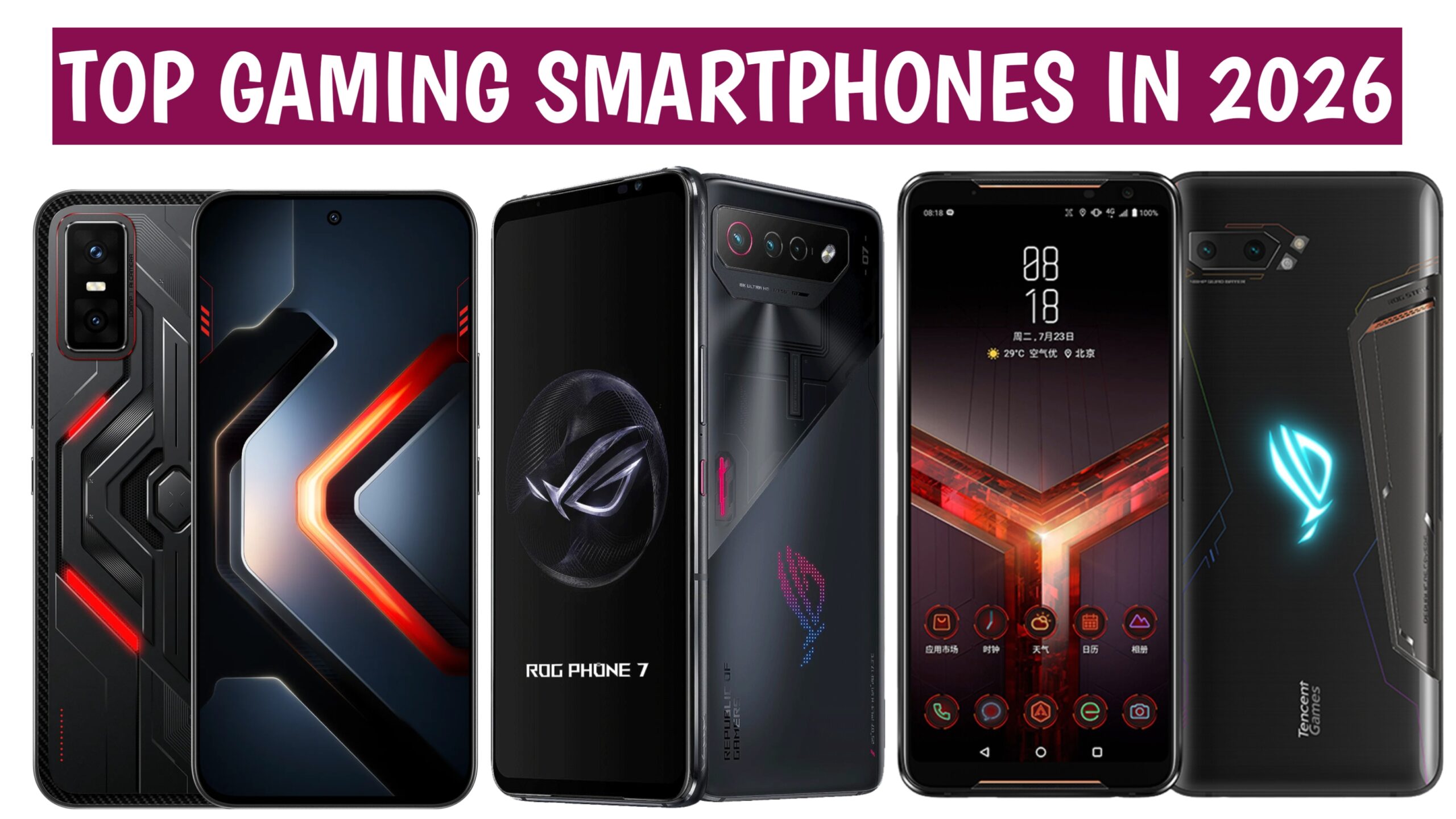
Flagship Gaming Phones — Top Performance And Longevity
1. RedMagic 9 Pro
- Processor: Snapdragon 8 Gen 4
- Display: 6.8-inch AMOLED, 165Hz refresh rate
- Battery: 6000mAh, 80W fast charging
- Price: ₹70,000
- Case Study: A gamer in Mumbai reported stable 60fps in Genshin Impact for over an hour without heating issues.
2. ASUS ROG Phone 8
- Processor: Snapdragon 8 Gen 4 Elite
- Display: 6.78-inch AMOLED, 144Hz refresh rate
- Battery: 5500mAh, 65W fast charging
- Price: ₹85,000
- Case Study: A streamer in Bengaluru used ROG Phone 8 for BGMI tournaments, citing consistent performance and customizable gaming triggers.
3. iQOO 13 Pro
- Processor: Snapdragon 8 Gen 4
- Display: 6.7-inch AMOLED, 144Hz refresh rate
- Battery: 5000mAh, 120W fast charging
- Price: ₹60,000
- Case Study: A student in Lucknow used iQOO 13 Pro for daily gaming, reporting smooth gameplay but occasional heating during extended sessions.
4. Realme 16 Pro+
- Processor: Snapdragon 7 Gen 4
- Display: 6.8-inch AMOLED, 144Hz refresh rate
- Battery: 4800mAh, 80W fast charging
- Price: ₹41,999
- Case Study: A gamer in Chennai found Realme 16 Pro+ reliable for casual gaming, though not ideal for marathon sessions.
5. Samsung Galaxy S25 Ultra (Gaming Edition)
- Processor: Snapdragon 8 Gen 4
- Display: 6.9-inch AMOLED, 120Hz refresh rate
- Battery: 5000mAh, 45W charging
- Price: ₹1,20,000
- Case Study: A corporate professional in Delhi used Galaxy S25 Ultra for both work and gaming, appreciating versatility but noting occasional throttling.
6. Xiaomi Black Shark 7
- Processor: Snapdragon 8 Gen 4
- Display: 6.7-inch AMOLED, 144Hz refresh rate
- Battery: 5000mAh, 100W fast charging
- Price: ₹55,000
- Case Study: A gamer in Hyderabad reported smooth PUBG Mobile sessions with minimal heating thanks to liquid cooling.
7. POCO F7 GT
- Processor: Dimensity 9300
- Display: 6.6-inch AMOLED, 144Hz refresh rate
- Battery: 4700mAh, 67W fast charging
- Price: ₹48,000
- Case Study: A student in Kolkata found POCO F7 GT affordable yet powerful enough for BGMI and Asphalt gaming.
8. OnePlus Ace Gaming
- Processor: Snapdragon 8 Gen 4
- Display: 6.7-inch AMOLED, 144Hz refresh rate
- Battery: 5200mAh, 100W fast charging
- Price: ₹65,000
- Case Study: A competitive gamer in Pune used OnePlus Ace Gaming for eSports practice, citing stable frame rates and efficient cooling.
9. Vivo X100 Gaming
- Processor: Dimensity 9300
- Display: 6.8-inch AMOLED, 144Hz refresh rate
- Battery: 5000mAh, 80W fast charging
- Price: ₹58,000
- Case Study: A gamer in Bengaluru praised Vivo X100 Gaming for balancing photography and gaming, though cooling was average in long sessions.
10. Motorola Edge Gaming
- Processor: Snapdragon 8 Gen 4
- Display: 6.7-inch AMOLED, 144Hz refresh rate
- Battery: 4800mAh, 68W fast charging
- Price: ₹52,000
- Case Study: A casual gamer in Jaipur used Motorola Edge Gaming for daily play, finding it reliable for mid-level gaming without overheating.
📊 Comparison Table
| Smartphone | Price (₹) | Processor | Display (Hz) | Battery | Cooling System | Best For |
|---|---|---|---|---|---|---|
| RedMagic 9 Pro | 70,000 | Snapdragon 8 Gen 4 | 165Hz AMOLED | 6000mAh | Active fan + liquid | Hardcore gamers |
| ASUS ROG Phone 8 | 85,000 | Snapdragon 8 Gen 4 Elite | 144Hz AMOLED | 5500mAh | AeroActive Cooler | Streamers, pros |
| iQOO 13 Pro | 60,000 | Snapdragon 8 Gen 4 | 144Hz AMOLED | 5000mAh | Vapor chamber | Balanced users |
| Realme 16 Pro+ | 41,999 | Snapdragon 7 Gen 4 | 144Hz AMOLED | 4800mAh | Basic cooling | Budget gamers |
| Galaxy S25 Ultra Gaming | 1,20,000 | Snapdragon 8 Gen 4 | 120Hz AMOLED | 5000mAh | Software thermal mgmt | All-round users |
| Xiaomi Black Shark 7 | 55,000 | Snapdragon 8 Gen 4 | 144Hz AMOLED | 5000mAh | Liquid cooling | Mid-range gamers |
| POCO F7 GT | 48,000 | Dimensity 9300 | 144Hz AMOLED | 4700mAh | Graphite cooling | Affordable performance |
| OnePlus Ace Gaming | 65,000 | Snapdragon 8 Gen 4 | 144Hz AMOLED | 5200mAh | Dual vapor chamber | Competitive gamers |
| Vivo X100 Gaming | 58,000 | Dimensity 9300 | 144Hz AMOLED | 5000mAh | Liquid + AI cooling | Balanced gaming + photography |
| Motorola Edge Gaming | 52,000 | Snapdragon 8 Gen 4 | 144Hz AMOLED | 4800mAh | Vapor cooling | Casual + mid-level gamers |
What Makes a Great Gaming Phone in 2026?
When considering a gaming phone in 2026, these factors matter more than just raw benchmarks:
1. Display Refresh Rate and Touch Sampling
Higher refresh rates (120–180 Hz) and responsive touch sampling improve real-time control and smooth visuals in fast games. Modern devices commonly offer 144 Hz panels or better to match competitive gaming demands.
2. Cooling System
Gaming phones with active or advanced cooling maintain performance over long sessions, reducing performance throttling.
3. Battery Capacity and Charging
Large batteries and fast charging matter because gaming is power-intensive. Devices like the Realme P4 Power push these boundaries significantly.
4. Software and Optimization
Game-friendly UI features, game mode optimizations, and dedicated triggers (like AirTriggers or shoulder buttons) enhance control and reduce latency.
Real Case Study: Everyday Gamer vs Competitive Player
Amit — Casual Gamer:
Amit plays COD Mobile and BGMI for about 2–3 hours daily. He chose a phone with a balanced chipset (like RedMagic 11 Pro) and 144 Hz display. The active cooling and long battery allowed him to play after work without throttling or frequent charging.
Neha — Competitive Gamer:
Neha streams mobile esports tournaments. She uses the ASUS ROG Phone 8 Pro for consistent performance, advanced cooling, and customization options like AirTriggers and dedicated game modes. This setup helps her maintain high-confidence frame rates and reduce input lag during competitions.
Real-world choices like these show that gaming needs vary — but performance consistency, thermal management, and display responsiveness are core to a satisfying experience.
FAQs: Gaming Phones in 2026
Q: Is it better to buy a pure gaming phone or a flagship general phone?
Pure gaming phones (like ROG or RedMagic) offer sustained power, active cooling, and game-oriented features, ideal for long sessions. General flagships also perform very well but focus more on all-round use.
Q: Do iPhones make good gaming phones?
Yes. iPhones like the iPhone 17 Pro Max deliver strong performance and GPU optimization, although they lack dedicated gaming controls found on some Android gaming devices.
Q: Does battery size matter more than chipset?
Both matter. A powerful chipset ensures high frame rates, but a large battery ensures longer gameplay without recharge breaks — especially useful in open-world or strategy games.
Does Fast Charging (80W–120W) Affect Battery Health in the Long Run?
Fast charging has become a standard feature in modern smartphones, with speeds ranging from 80W to 120W. While it offers convenience, many users worry about its impact on battery health over time.
📌 Key Points
- Heat Generation:
- High-wattage charging produces more heat, and heat is the primary factor that reduces battery lifespan.
- Phones with advanced cooling systems and optimized charging algorithms manage this better.
- Battery Chemistry:
- Most smartphones use Lithium-ion or Lithium-polymer batteries. These cells degrade naturally after 500–800 charge cycles.
- Fast charging accelerates chemical reactions, which can slightly increase wear if not managed properly.
- Smart Charging Technology:
- Modern devices include AI-based charging management that slows charging after 80–90% to reduce stress.
- Adaptive charging ensures the battery is not constantly exposed to peak wattage.
- Practical Impact:
- Studies show that with proper thermal management, the difference in battery health between 30W and 120W charging is minimal over 2–3 years.
- Heavy gamers or users who charge multiple times daily may notice faster degradation compared to casual users.
✅ Conclusion
Fast charging (80W–120W) does not drastically damage battery health if the phone has good cooling and smart charging features. To maximize lifespan, avoid charging in hot environments and unplug once the battery reaches 80–90%.